
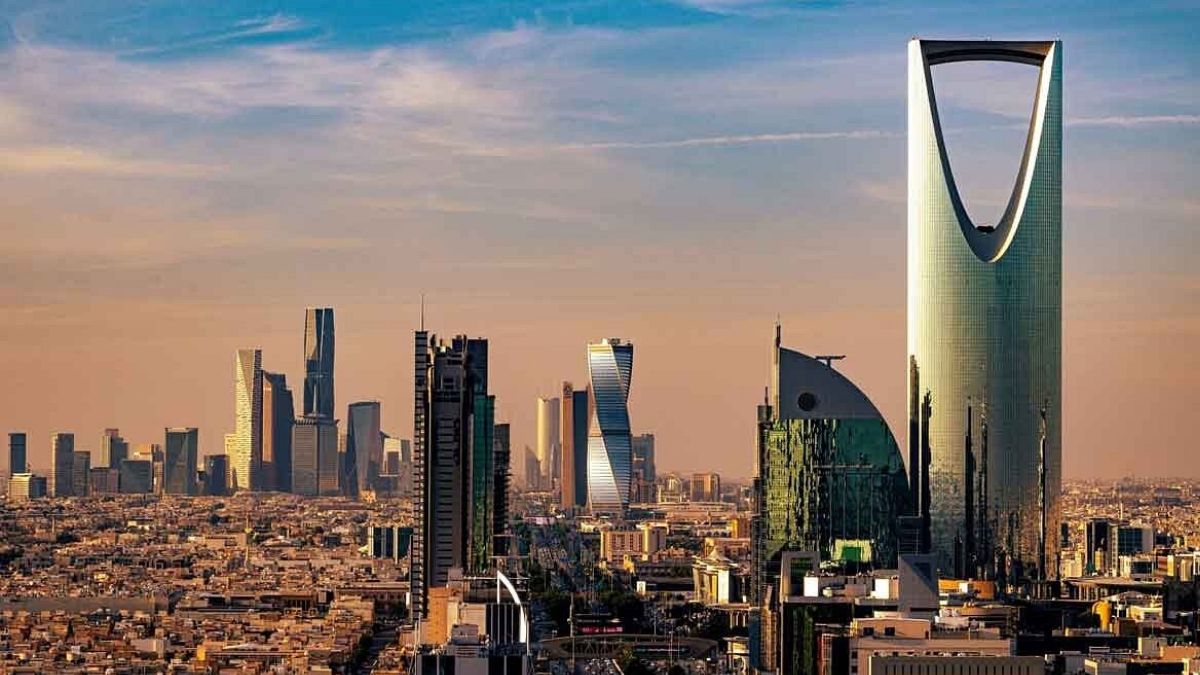

The Saudi real estate market is experiencing one of the most significant transformations in its history. Once largely driven by oil wealth and domestic demand, today’s property sector is being reshaped by Vision 2030 reforms, mega infrastructure projects, inflows of foreign investment, and rapid urban expansion. From luxury developments in Riyadh to futuristic smart cities like NEOM, the Kingdom is redefining what real estate growth looks like in the Middle East.
Investors searching for the best investment in Saudi Arabia are increasingly turning to property. At the same time, interest in buying property in Riyadh and other major cities has surged as economic diversification fuels job creation and population growth.
More Read

Overview of the Saudi Real Estate Market
The Saudi real estate market 2025 outlook reflects sustained growth momentum. Over the past several years, the Kingdom’s property sector has transitioned from a primarily domestic housing market to a diversified, investment-driven ecosystem.
Market Size and Growth
The broader property market in Saudi Arabia spans residential, commercial, retail, hospitality, and industrial segments. Residential real estate remains the largest component, but commercial and mixed-use developments are expanding rapidly.
The housing market in Saudi Arabia has benefited from increased mortgage accessibility and government housing initiatives. Mortgage penetration has grown substantially, enabling more middle-income families to purchase homes.
Demand vs Supply
Urban centres like Riyadh and Jeddah are witnessing strong demand, driven by:
- Economic expansion
- Corporate relocations
- Public sector hiring
- Infrastructure investments
While supply is increasing, particularly in master-planned communities, demand continues to absorb new inventory at a healthy pace.
Post-Vision 2030 Acceleration
The Saudi property market forecast has strengthened significantly since the launch of Vision 2030. By diversifying the economy beyond oil, Saudi Arabia is generating new employment sectors, such as tourism, technology, entertainment, and logistics, which in turn stimulate property demand.
In short, this isn’t a temporary spike. It’s a structural transformation.
Key Drivers Behind the Real Estate Boom
The construction boom in Saudi Arabia is not random; it’s policy-driven and strategically aligned.
Vision 2030 and Economic Diversification
The core of the Saudi Vision 2030 real estate strategy is to reduce reliance on oil by expanding private-sector growth. Real estate plays a dual role:
- Supporting economic diversification
- Attracting foreign capital
New economic zones, entertainment hubs, and tourism projects are creating entirely new real estate markets.
Infrastructure and Giga Projects
Massive Saudi megaprojects like NEOM, The Red Sea Project, Qiddiya, and Diriyah Gate are reshaping the national landscape.
These giga projects are:
- Creating demand for residential communities
- Driving hospitality development
- Attracting international investors
The resulting construction boom in Saudi Arabia extends beyond flagship projects supporting roads, railways, airports, and utilities nationwide.
Population Growth and Urbanisation
Riyadh’s population is expanding rapidly as the government encourages multinational companies to establish regional headquarters in the capital. Increased urbanisation fuels housing demand and boosts rental markets.
Mortgage Market Expansion
The Saudi mortgage market has grown remarkably. Government-backed financing programs and increased banking participation have made homeownership more accessible.
Lower down payments and competitive financing options are unlocking demand across middle-income segments.
Real Estate Trends in Saudi Arabia
Understanding real estate trends in Saudi Arabia helps investors identify where momentum is strongest.
Residential vs Commercial Growth
Residential demand remains robust, particularly in urban centres. However, commercial office space in Riyadh is experiencing renewed interest due to corporate relocations.
Retail real estate is also evolving, with mixed-use lifestyle communities gaining popularity.
Luxury vs Affordable Housing
High-net-worth individuals are investing in luxury villas and gated communities. At the same time, affordable housing initiatives aim to increase homeownership rates nationwide.
This dual-market growth makes Saudi Arabia unique it supports both premium and mass-market investment strategies.
Rental Demand Surge
In major cities, rental demand is climbing due to:
- Workforce expansion
- International professionals relocating
- Project-based employment in giga developments
The 2026 outlook for Saudi housing demand suggests sustained rental growth, particularly in Riyadh.
Best Cities for Real Estate Investment in Saudi Arabia
1. Riyadh – Capital City Investment Hub
When discussing Riyadh real estate investment, the capital stands out as the strongest performer.
Buying Property in Riyadh
Interest in buying property in Riyadh has increased sharply due to corporate headquarters mandates and the expansion of government sectors.
Riyadh Property Prices
Prices have risen steadily, especially in prime districts and luxury communities. However, compared to global capitals, Riyadh still offers competitive entry points.
ROI Potential
Rental yields in Riyadh remain attractive relative to regional peers. Corporate demand for housing near business districts supports consistent occupancy rates.
For investors seeking capital growth in property in Saudi Arabia, Riyadh currently offers the strongest combination of appreciation and rental returns.
2. Jeddah – Coastal Investment Growth
The Jeddah property market benefits from its Red Sea coastline and commercial importance.
Beachfront Property Saudi Arabia
Waterfront developments and tourism expansion are increasing interest in coastal residential projects.
Jeddah combines lifestyle appeal with economic relevance, making it a balanced investment choice.
3. NEOM – The Future Investment Frontier
Few developments attract global attention like the NEOM real estate investment.
As one of the largest giga projects in Saudi Arabia, NEOM aims to create an entirely new economic zone powered by renewable energy and advanced technology.
The NEOM property market is still in its early stages, but long-term appreciation potential could be significant if execution meets expectations.
Early investors often benefit most from transformative projects, but risk levels are higher than in established cities.
4. Dammam & Khobar – Eastern Province Opportunities
The Eastern Province remains central to Saudi Arabia’s energy sector.
Property in Dammam and Khobar, Saudi Arabia
Demand here is tied closely to the oil and gas industry. As energy diversification progresses, commercial and residential demand continues steadily.
These cities offer stable, income-focused investment potential.
Is Buying Property in Riyadh a Good Investment?
For many investors, Riyadh represents the safest entry point.
Rental Yield Expectations
Rental yields vary by district but remain competitive relative to regional markets.
Capital Appreciation
Strong demand, infrastructure expansion, and corporate relocations suggest ongoing price appreciation.
Business Demand
The government’s policy requiring multinational firms to locate their regional HQs in Riyadh is significantly boosting demand for commercial real estate.
For many investors asking, “Where to invest in Riyadh real estate?” the answer increasingly points to mixed-use and residential developments near new business corridors.
Foreign Investment and Ownership Rules
A common question is: Can foreigners buy property in Saudi Arabia?
Recent reforms have made it easier for non-Saudis to own property under certain conditions.
Saudi Property Ownership Laws
Foreign investors may purchase property in designated areas, subject to regulatory approval.
Real Estate for Expats in Saudi Arabia
Expatriates with valid residency permits can often purchase homes for personal use, particularly in major cities.
Saudi Premium Residency Property
Premium residency programs may allow broader ownership rights, making property investment more attractive to international buyers.
Regulatory clarity continues to improve, encouraging foreign participation.
Rental Yield and ROI in Saudi Arabia
|
City |
Avg Rental Yield |
Price Growth |
Investment Risk Level |
|
Riyadh |
6-8% |
Strong |
Moderate |
|
Jeddah |
5-7% |
Stable |
Moderate |
|
Dammam/Khobar |
6-7% |
Stable |
Low-Moderate |
|
NEOM |
TBD (Emerging) |
High Potential |
Higher |
The rental yield in Saudi Arabia remains competitive, particularly in Riyadh.
Investors seeking high ROI property in Saudi Arabia often focus on urban residential units catering to professionals.
Saudi Real Estate Market Forecast
The Saudi real estate market forecast over the next five years appears optimistic.
Drivers include:
- Continued giga project development
- Urban expansion
- Corporate relocations
- Tourism growth
The future of the property market in Saudi Arabia is closely linked to the milestones of Vision 2030. If implementation remains on track, sustained growth is likely.
Risks and Challenges in the Saudi Property Market
No market is without risk.
Key considerations:
- Regulatory changes
- Rising interest rates in Saudi Arabia’s property financing
- Mortgage rate fluctuations
- Construction delays
Understanding Saudi real estate regulations and conducting due diligence is essential for mitigating risk.
How to Invest in Saudi Real Estate
For those seeking the best investment in Saudi Arabia, here’s a simplified path:
- Identify the city and segment
- Understand ownership eligibility
- Secure financing (if needed)
- Conduct legal due diligence
- Complete registration through official channels
Banks offer competitive home loan products in Saudi Arabia, supporting both locals and qualified expats.
Strategic location selection remains key to long-term returns.
Conclusion
The Saudi real estate market is undergoing a structural transformation driven by Vision 2030 reforms, giga projects, expanding mortgage access, and economic diversification.
Riyadh leads the surge, followed by Jeddah and emerging frontiers like NEOM. With improving foreign ownership regulations and competitive rental yields, the Kingdom is becoming increasingly attractive to both local and international investors.
While risks remain, the broader trajectory suggests sustained growth, making Saudi Arabia one of the most closely watched property markets in the Middle East.