

Dubai / Riyadh / Doha – The Gulf Cooperation Council (GCC) states remain on heightened alert as geopolitical tensions across the Middle East continue to simmer, even as their economies demonstrate notable resilience driven by diversification, strategic investments, and robust fiscal policies.
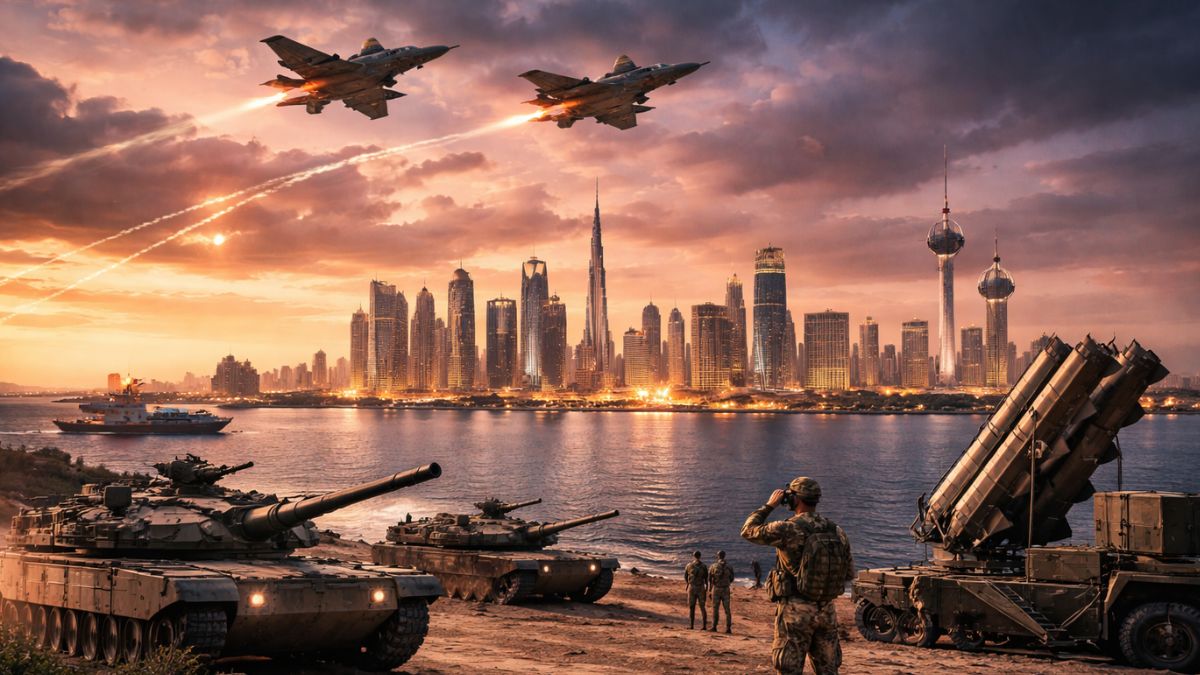
Recent developments in and around the Strait of Hormuz, a critical artery for global energy supplies, have prompted renewed vigilance among Gulf nations. Defence readiness has been visibly reinforced, with naval patrols intensified and regional coordination mechanisms activated to ensure uninterrupted trade and energy flows.
More Read

Security Concerns Keep Region on Edge
Officials across the GCC, including the United Arab Emirates, Saudi Arabia, and Qatar, have reiterated their commitment to safeguarding national security while emphasizing diplomatic channels to de-escalate tensions.
The Strait of Hormuz remains a focal point of concern, handling nearly a fifth of the world’s oil shipments. Any disruption, analysts warn, could trigger immediate ripple effects across global markets.
Military analysts suggest that while the situation has not escalated into confrontation, the risk of miscalculation remains high. “The current posture is precautionary, but the margin for error is narrowing,” a regional security expert noted.
Economic Strength Anchors Stability
Despite the geopolitical strain, Gulf economies are displaying remarkable stability. Non-oil sectors such as tourism, technology, logistics, and finance continue to expand, reflecting years of strategic planning under national transformation agendas, such as Saudi Arabia’s Vision 2030.
In the United Arab Emirates, economic growth remains buoyant, supported by strong performance in real estate, aviation, and fintech. Similarly, Saudi Arabia continues to attract foreign investment into mega-projects, while Qatar leverages its global partnerships to strengthen trade and infrastructure.
Regional stock markets have shown resilience, with investor sentiment holding steady despite external uncertainties. Sovereign wealth funds across the GCC are also playing a pivotal role in stabilizing markets through strategic global investments.
Energy Markets React with Caution
Oil prices have experienced moderate volatility amid the ongoing tensions. Traders are closely monitoring developments near key maritime routes, particularly the Strait of Hormuz, where any escalation could disrupt supply chains.
However, GCC producers have reassured global markets of their ability to maintain supply continuity. Strategic reserves, diversified export routes, and advanced infrastructure have collectively reduced vulnerability compared to previous crises.
Diplomatic Efforts Gain Momentum
Behind the scenes, diplomatic engagement is intensifying. GCC leaders are reportedly coordinating with international allies to contain risks and promote regional stability. Multilateral discussions are ongoing, focusing on maritime security, energy cooperation, and conflict prevention.
The GCC’s unified stance reflects a broader effort to project stability and confidence, even as underlying tensions persist.
Outlook: Cautious Optimism
While uncertainties remain, the overall outlook for the Gulf region is one of cautious optimism. The dual strategy of maintaining strong security preparedness while accelerating economic diversification appears to be paying dividends.
As global attention remains fixed on the Middle East, the GCC’s ability to navigate geopolitical complexity while sustaining economic momentum will be closely watched in the weeks ahead.

Omar Hassan is an experienced political analyst covering government policies, regional diplomacy, and economic reforms across GCC countries. His reporting provides a balanced and informed perspective on policy decisions that impact businesses and societies. With a strong network of sources, Omar delivers timely and credible analysis on key geopolitical developments.