

What Is Emaar’s $55 Billion Dubai Development?
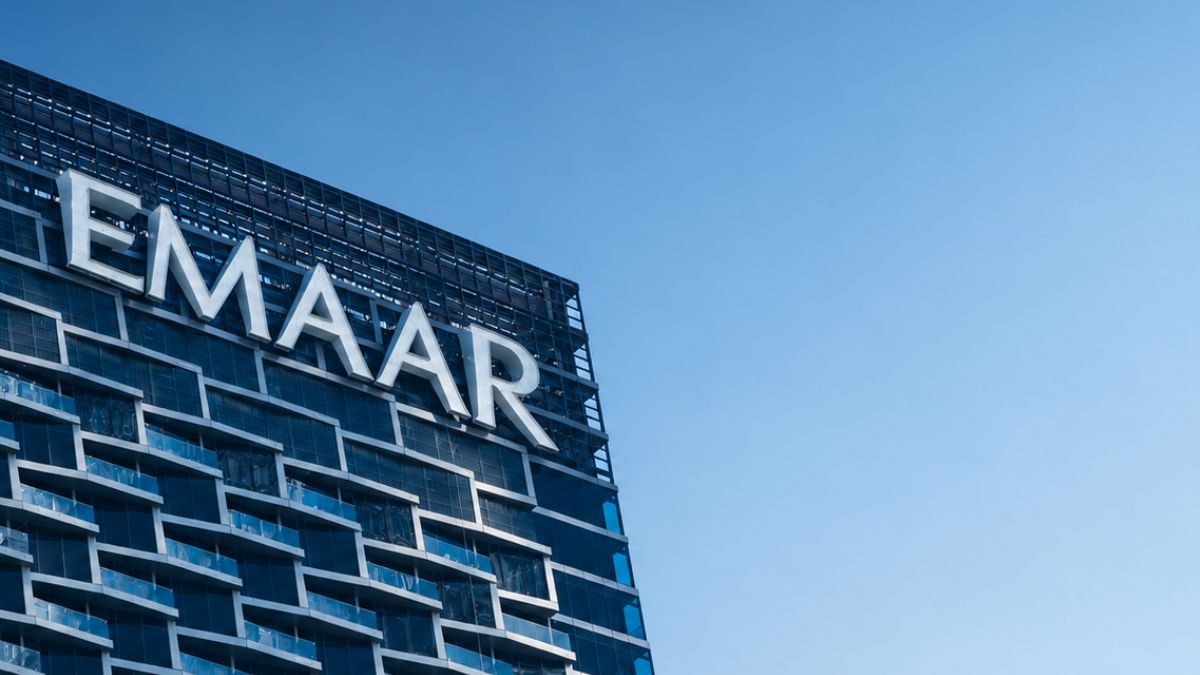
Emaar describes the project as its most ambitious master-planned development to date. Valued at approximately AED 200 billion ($55 billion), the project is expected to create an entirely new urban destination that combines residential, commercial, leisure, and lifestyle components within a single integrated community.
More Read

The master plan is built around five distinct districts:
- Business Hub
- Urban District
- Young Families Cluster
- Family Living Zone
- Exclusive Villa Enclave
Together, these zones create what Emaar calls a self-sustaining city where residents can live, work, shop, and socialise without relying heavily on external infrastructure.
Unlike many traditional developments that focus primarily on residential sales, this Dubai mega project integrates economic activity, entertainment, education, healthcare, and recreation into a unified environment.
The scale alone places it among the most significant Dubai urban development initiatives currently planned.
Why This Development Matters for Dubai’s Future
Addressing Population Growth
Dubai’s population continues to rise at one of the fastest rates in the region. The emirate reached approximately 3.9 million residents in 2024, representing annual growth of roughly 6%. At the same time, the city has attracted tens of thousands of high-net-worth individuals and entrepreneurs seeking stability, tax efficiency, and global connectivity.
As demand increases, housing supply becomes critical.
By accommodating approximately 150,000 residents, Emaar’s project directly supports Dubai’s long-term population objectives.
Supporting Economic Diversification
Real estate remains one of the key pillars of the UAE economy.
Dubai’s leadership has successfully diversified beyond oil through sectors such as:
- Tourism
- Finance
- Technology
- Logistics
- Real estate
The project aligns closely with broader economic initiatives such as the Dubai Economic Agenda D33 and Dubai Real Estate Strategy 2033.
Advancing Dubai’s Smart City Vision
One of the most compelling aspects of the development is its focus on smart urban planning.
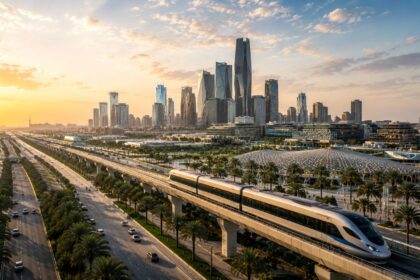
The master plan follows the “20-minute city” concept, allowing residents to access work, schools, retail, healthcare, and recreation within short travel times. Proposed metro connectivity, smart mobility systems, intelligent infrastructure, and digital integration place the project at the forefront of Dubai smart city development.
Key Features of the Mega Development
Luxury Residential Communities
The residential component includes:
- Landmark residential towers
- Premium apartments
- Family-focused communities
- Exclusive villa enclaves
- Waterfront-inspired living environments
The villa district will feature five- and six-bedroom luxury residences designed for affluent buyers seeking privacy, space, and premium amenities.
This positions the project squarely within the growing luxury real estate Dubai segment.
Commercial and Business Districts
A dedicated Business Hub will serve as the commercial heart of the community.
The district is expected to feature:
- Grade-A office space
- Corporate headquarters
- Professional services
- Innovation-focused workplaces
This integration of business and residential infrastructure creates a powerful live-work-play ecosystem.
Retail and Entertainment Destinations
Retail remains central to the project.
The masterplan includes:
- Luxury boutiques
- Dining districts
- Entertainment venues
- Cultural attractions
- Lifestyle-focused public spaces
Emaar plans a grand boulevard and retail spine similar in ambition to successful urban destinations elsewhere in Dubai.
Green and Blue Infrastructure
Unlike conventional urban projects, nature forms a core design principle.
The development includes:
- Central parks
- Swimmable lagoons
- Water features
- Landscaped promenades
- Wellness zones
These features enhance the quality of life while supporting sustainability objectives.
Impact on the Dubai Real Estate Market
The announcement arrives during one of the strongest periods in Dubai property history.
According to market data, Dubai recorded approximately AED 176.7 billion in real estate sales during the first quarter of 2026, representing annual growth of 23.4%.
Several market impacts are likely.
Property Price Support
Large-scale infrastructure investment generally supports long-term value appreciation.
While additional housing supply may moderate excessive price growth, strong demand fundamentals suggest continued market resilience.
Rental Market Growth
Dubai recorded over 139,000 rental contracts during 2025, reflecting sustained tenant demand.
New communities will provide much-needed housing inventory while supporting future rental growth.
Investor Confidence
The scale of Emaar’s commitment sends a powerful signal to the market.
Major developers do not launch AED 200 billion projects without confidence in long-term demand.
The announcement reinforces global investor trust in the Dubai property market 2026 outlook.
Why Property Investors Are Paying Attention
Early Off-Plan Opportunities
Historically, some of the strongest returns in Dubai have come from early-stage Dubai off-plan projects.
Benefits typically include:
- Lower entry prices
- Flexible payment plans
- Strong appreciation potential
- Developer-backed financing structures
The project’s phased rollout is expected to attract substantial investor demand.
Capital Appreciation Potential
Dubai property prices increased by approximately 60% between 2020 and 2025.
Although future growth rates may moderate, landmark developments often outperform broader market averages.
Rental Yield Advantages
Dubai continues to offer rental yields that compare favourably with major global cities.
Population growth, expatriate demand, and residency programs continue supporting occupancy rates and rental demand.
How It Compares to Other Dubai Mega Projects
Project | Key Focus | Developer |
Downtown Dubai | Commercial & Tourism | Emaar |
Dubai Creek Harbour | Waterfront Urban Living | Emaar |
Dubai South | Aviation & Logistics | Multiple |
Palm Jebel Ali | Waterfront Luxury | Nakheel |
New Emaar Development | Integrated Smart City | Emaar |
Compared with previous developments, the new project emphasises self-sufficiency, mixed-use integration, and large-scale smart infrastructure.
Many analysts believe it could become one of the defining Dubai mega developments in 2026 and beyond.
The Role of Emaar in Shaping Dubai’s Skyline
Few companies have influenced Dubai more than Emaar Properties.
The developer’s portfolio includes:
- Burj Khalifa
- Dubai Mall
- Dubai Fountain
- Dubai Marina communities
- Dubai Hills Estate
- Dubai Creek Harbour
Since 2002, Emaar has delivered over 129,000 residential units and developed some of the world’s most recognisable real estate assets.
This track record provides credibility that few developers can match.
Economic Impact on the UAE
The project’s impact extends beyond real estate.
Expected benefits include:
Job Creation
Thousands of jobs across construction, engineering, hospitality, retail, and services.
Tourism Growth
New hotels, attractions, and lifestyle destinations support Dubai’s tourism strategy.
Foreign Direct Investment
The UAE continues attracting significant international capital flows, and projects like this reinforce investor confidence.
GDP Contribution
Real estate remains a key contributor to non-oil economic growth across the UAE.
Risks Investors Should Consider
Balanced analysis is essential.
Potential risks include:
- Rising housing supply
- Market cycles
- Global economic uncertainty
- Geopolitical developments
- Construction execution risks
Analysts note that Dubai’s housing inventory could increase substantially through 2027, potentially moderating future price growth.
However, strong population growth and investor demand continue to support long-term fundamentals.
Dubai Property Market Forecast: 2026-2030
Most analysts expect continued market strength, although growth rates may normalise compared with recent years.
Key demand drivers include:
- Population expansion
- Golden Visa demand
- Corporate relocation
- Tourism growth
- Infrastructure investment
While some forecasts suggest a period of stabilisation due to increased supply, long-term expectations remain positive.
The broader future of the Dubai property market narrative remains supported by economic diversification and global capital inflows.
Why Global Investors Continue to Choose Dubai
Dubai offers several competitive advantages:
Golden Visa Program
Property investments of AED 2 million or more can qualify investors for long-term residency.
Tax Efficiency
No personal income tax and favourable property taxation enhance investment returns.
Global Connectivity
Dubai serves as a strategic bridge between Europe, Asia, and Africa.
Market Stability
Strong regulation, transparent processes, and investor protections support long-term confidence.
Conclusion
Emaar’s $55 billion Dubai real estate project is not simply another development; it is a statement about the future of Dubai itself.
With capacity for 150,000 residents, integrated commercial districts, smart-city infrastructure, luxury housing, and sustainability-focused planning, the project reflects the next stage of Dubai’s evolution as a global investment destination.
For investors, it presents a rare opportunity to participate in one of the largest and most ambitious Dubai property investment stories of the decade. While risks such as supply growth and market cycles should be considered, the project’s scale, Emaar’s track record, and Dubai’s long-term economic outlook make it one of the most significant real estate developments currently underway in the UAE.
As Dubai continues attracting global talent, capital, and businesses, developments like this will help define the city’s next generation of growth.
Follow The Gulf Review for the latest analysis on Dubai real estate, UAE investment opportunities, business trends, and market forecasts.